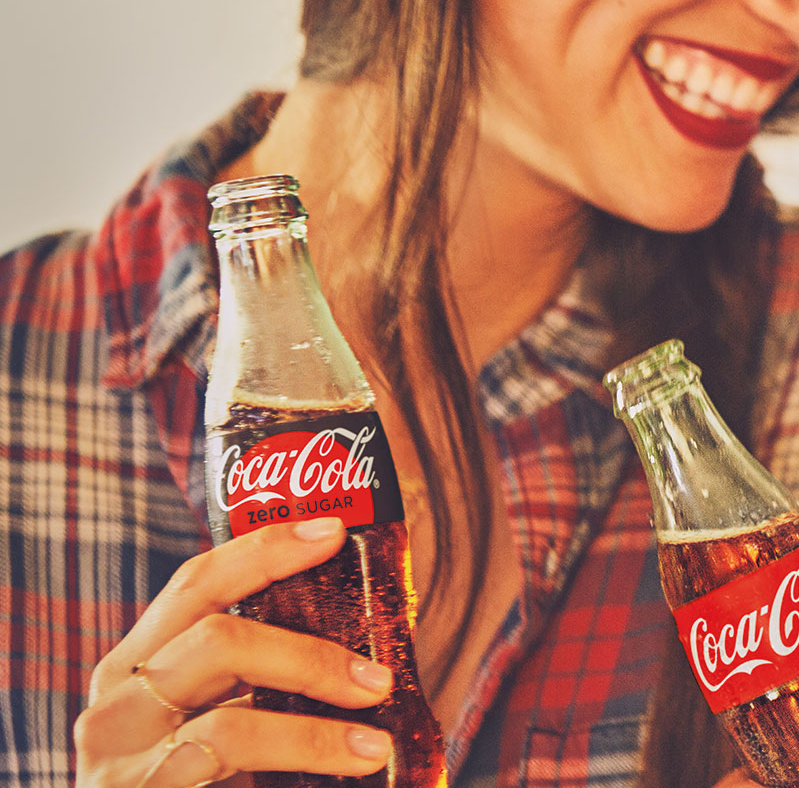
I walk towards the kitchen to find my brother doubled over, trying desperately not to laugh out loud. Another brother to my left, weak in the knees, also attempting to maintain composure. I hadn’t meant to be funny or snarky. From the living room, Mom had informed me she needed a Coke, and the verdict popped from my mouth before I even consulted the jury – “That’s not a Need, that’s a Want!”
The only truly balanced education I received about Needs came during my own children’s elementary school years. Their social studies curriculum included a unit on needs, wants, choices, and opportunity cost. Simplistic, age-appropriate examples demonstrated the importance of mastering this area of life. You know, like doing your homework vs. going out to play with friends. I felt fairly confident letting Mom know that Coke is a Want.
You see, the topic of needs had been on my mind for several weeks after receiving some feedback on my personal level of neediness. The delivery of this unsolicited commentary brought forth a torrent of internal judgment and shame.
Thus opened the court proceedings of Shame v Biz, 2020.
Shame cowed me with her blustery opening arguments. Oh my god, you’re too needy. Nobody likes needy people! Your neediness will destroy all of your relationships! Why are you so needy? There must be something wrong with you! Shame trapped me there, hounding me incessantly, harassing me in this way for a day or two before I found the strength to call her forth to the witness stand.
Hello, Shame! I’ve been thinking about your most recent accusations, and I am curious: Am I really unusually needy? Who gets to choose what level of need is too much? too little? just right? What do I really need? Are my needs valid? Are these really needs or are they just wants? How do I decide? Is there a flow chart somewhere that will help me pinpoint the distinction between a need and a want? My line of questioning ranges from true curiosity to outright accusation.
I bring forth complicated examples over the course of each day and inquire: “Need or Want?” The ongoing proceedings offer me far less clarity than I hope for. After all, my jury has been cobbled together over multiple decades, heavily influenced by Shame and her Cronies.
The most prominent member holds tightly to my earliest lessons – the only valid needs are Physiological Survival Needs, limited to food, water, and protection from the elements. She is followed in importance by the one who later learned of Childhood Developmental Needs such as affection, esteem, learning, and social skills. These two run circles around today’s junior voices clamoring to protect body, heart, mind, and spirit. These jurors believe that Felt Needs and Optimal Health Needs are Valid Needs met by a comprehensive list including, but not limited to: exercise, rest, recreation, personal growth, membership in supportive community, autonomy, purpose, meaning, and spiritual practice.
At long last, the story-teller and meaning-giver arrives to advocate on my behalf. I hold my breath as she approaches the bench with breezy confidence. She pauses dramatically, surveys the courtroom, catches the judge’s eye, faces the jury with one eyebrow raised, and asks, “What if sometimes you just need a Coke?”
I gasp as a shocked stillness envelops the courtroom. Feigning surprise at her own question, she nods thoughtfully, shifts the focus of her eyes to an indeterminate space, and pensively repeats herself. Only this time, she finishes the phrase as a statement: “What if … sometimes … you just need a Coke.”
She shakes her head gently, as if returning to her senses. Her gaze returns to the jury and she begins her closing argument:
“Ladies of the Jury, hear me now as I argue that each and every person on this earth creates their own unique definition of needs and wants. Rest assured that these individual perspectives cannot be constrained by simplistic, static categories of need created by so-called ‘experts’ in their ivory towers!
“Consider, if you will, the evidence of your very own lives! Have your needs not changed over the course of time? Or do you still wear a diaper, rely on others to move you from place to place, and receive sustenance from mother’s milk or its nutritional substitute? If you live long enough, might you not find yourself once again needing those very same things?
“Humor me as I belabor my point. Individual needs move through us each and every moment of our lives, creating a tapestry as unique as our fingerprints. How many times over the course of your days do you announce your needs? ‘I need to get up, I need a shower, I need a cup of coffee, I need to get to work, I need a vacation, I need to see my doctor, I need to get some sleep.’ We are chronically needy people!
“Who, then, is the better judge of a healthy person’s needs: the individual in need? her loved ones? some twice-removed expert? societal norms? I contend there is no definitive answer to this question! I will go so far as to suggest that a one size fits all approach does more harm than good!
“A relatively healthy individual can be reasonably expected to assess and arrange for the fulfillment of her own needs. She can be trusted to carefully consider the cost to herself, those around her, and her planet as she evaluates and seeks to fulfill these needs.
“And I assure you – every need has a cost, whether fulfilled or unfulfilled! We spend our days tipping the scales towards meeting our own needs at the cost of another. We judge the erroneous weight others place on their needs while rationalizing and excusing our own errors in judgment with mental acuity that would astound even the most accomplished gymnast!
“Over the course of these last few days, Shame painted for you an outrageous caricature of the Defendant as a malevolent force, haphazardly endangering lives by impulsively prioritizing her frivolous desires ahead of the needs of others.
“Ladies of the Jury, I ask you now to consider the Defendant seated here before you. I present Biz to you as an intelligent woman, capable of discerning the validity of her own unique level of need. I present Liz to you as a capable woman, seeking to intelligently fulfill her legitimate need. I present Beth to you as a relatively healthy woman faced with a painfully complex situation, doing the best she could with the tools readily available to her.
“It is on this basis that I recommend that each of you enter a ‘Not Guilty’ judgment and acquit Elizabeth of all charges brought forth by the Plaintiff.”
The story-teller and the meaning-giver pauses, offers me a reassuring wink, then turns to address the jury one last time with a wry grin, “Have a Coke and a smile.”
 Biz Has a Blog!